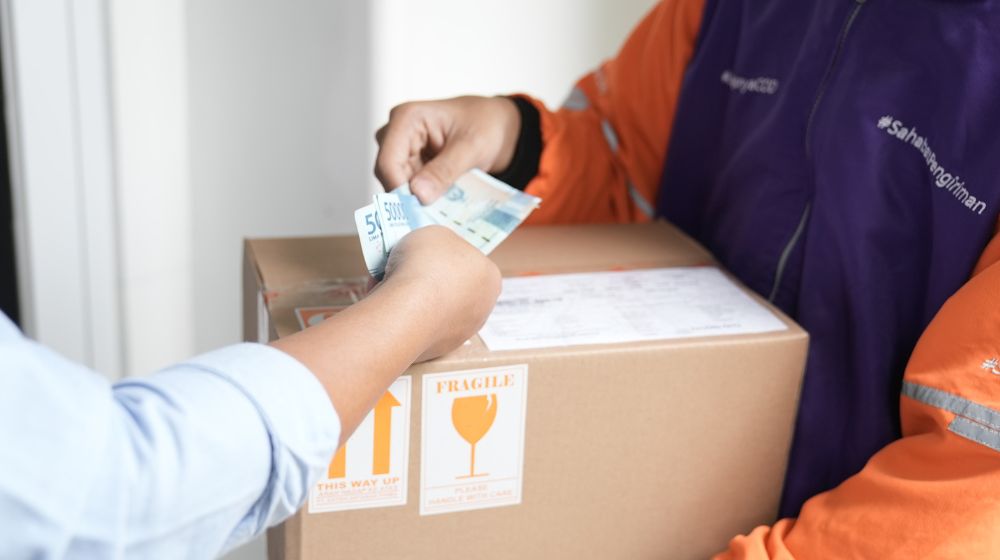

In the rapidly evolving landscape of 2026, online shopping has become as second nature as breathing. However, with the convenience of digital storefronts comes the persistent shadow of cyber fraud. From sophisticated phishing attacks to the classic “missing item” parcel scam, shoppers are constantly weighing the pros and cons of different payment rails. While digital systems like UPI and credit cards offer high-speed transactions, many security experts and cautious consumers still point toward Cash On Delivery in India as a primary defense mechanism against non-delivery and “empty box” scams.
The Security Profile of Common Payment Methods
When analyzing the risk of being scammed, it is helpful to look at how different systems handle your money before and after the purchase.
- Credit Cards: Widely regarded as the safest digital option due to robust chargeback policies. If a merchant turns out to be a ghost or sends a fraudulent product, you can dispute the transaction. However, the risk lies in data theft; card details stored on compromised servers remain a major vulnerability.
- UPI (Unified Payments Interface): The king of volume in India. While its two-factor authentication (2FA) is strong, it is also the primary target for “request money” scams. Once a UPI transaction is authorized, getting that money back is notoriously difficult because the transfer is instant and final.
- Digital Wallets: These act as a middle layer, meaning you don’t share your bank details with the seller. However, they lack the legal chargeback protections that credit cards provide.
Why the “Pay at the Door” Model Still Wins
Technical papers and industry reports from early 2026 suggest that despite the push for a “Digital India,” the physical exchange of money for goods provides a psychological and financial safety net that code cannot yet replicate. The logic is simple: you do not lose your money until you have a physical product in your hand.
However, even this method isn’t foolproof. Sophisticated scammers now send fake parcels with COD labels to addresses they’ve harvested from data leaks, hoping someone in the house will pay for a package they didn’t actually order. This makes the “Verification Step” the most important part of any transaction.
Industry Tips for a Scam-Free Experience
Compiling advice from cybersecurity analysts and major e-commerce platforms, here is a checklist to ensure your money stays safe:
- Virtual Credit Cards: If you must pay online, use a one-time-use virtual card provided by your bank to limit exposure.
- Check the “Lock”: Ensure the payment gateway is PCI-DSS compliant.
- The Box Opening Rule: If you are using COD, experts recommend recording a “unboxing video” as soon as you receive the parcel to provide concrete evidence if the contents are tampered with.
Final Verdict: Balancing Tech and Tradition
Technically, a Credit Card is the best “digital” method because of its liability protection, essentially putting the bank’s money at risk rather than yours. But for the ultimate “peace of mind” factor especially when dealing with new or unknown Instagram sellers and smaller boutiques – Cash On Delivery In India remains a powerful tool. Using a logistics aggregator like Shipdaak helps bridge this gap for many small businesses, as it allows them to offer secure COD options while maintaining professional tracking. By combining the safety of COD with modern tracking, you significantly reduce the surface area for scammers to operate.