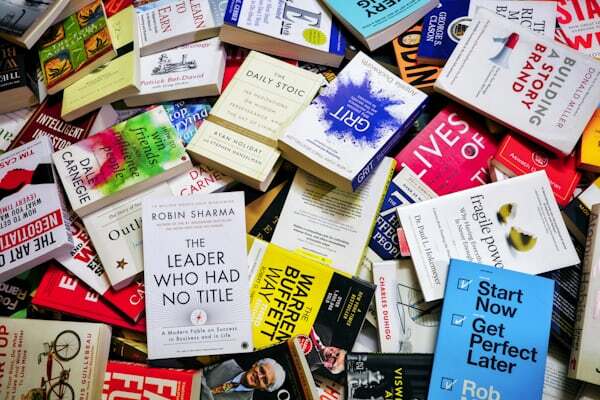

Self-help books are everywhere. They sit on bookstore shelves, fill online libraries, and dominate bestseller lists. Some promise confidence, others success, happiness, discipline, healing, or financial freedom. But what exactly is a self-help book, and why do so many people turn to them during moments of change, confusion, or growth?
A self-help book is more than motivational words on paper. At its core, it is a tool designed to help readers understand themselves better, improve specific areas of their lives, and develop habits or mindsets that support long-term well-being. These books often combine psychology, personal experience, research, and practical exercises to guide readers toward personal development.
This article explores what a self-help book truly is, how it works, who it is meant for, its benefits and limitations, and how to choose one that actually helps rather than overwhelms or disappoints.
The Core Definition of a Self-Help Book
A self-help book is a non-fiction work written with the intention of helping readers improve their thoughts, behaviors, emotions, skills, or life circumstances without direct professional intervention.
Unlike textbooks or academic material, self-help books are written for everyday readers. They are usually practical, accessible, and focused on action. The goal is not just to inform but to empower the reader to make changes independently.
Self-help books typically aim to do one or more of the following:
- Help readers understand a personal challenge
- Offer strategies to overcome obstacles
- Encourage new habits or behaviors
- Improve emotional resilience and confidence
- Support mental, emotional, or lifestyle growth
While some books focus on a single issue like anxiety or productivity, others take a broader approach to personal development.
Why Self-Help Books Exist in the First Place
People have always sought guidance for living better lives. Long before modern psychology existed, philosophical texts, spiritual teachings, and moral guides served a similar role.
Modern self-help books emerged as societies became more individual-focused. As people gained more control over their personal choices, careers, and lifestyles, the desire for self-directed improvement grew.
Self-help books exist because:
- Many people want guidance without therapy or coaching
- Personal growth is often private and self-paced
- Books are affordable and accessible
- Reading allows reflection without pressure
For some readers, a self-help book is a first step toward change. For others, it is a companion during an ongoing journey.
What Self-Help Books Are Not
Understanding what a self-help book is also requires understanding what it is not.
A self-help book is not a medical treatment. It does not replace therapy, counseling, or professional care when those are needed.
It is also not a guaranteed solution. Reading alone does not change behavior. Action, consistency, and self-awareness are required.
Self-help books are not meant to shame readers or suggest that all problems are personal failures. Well-written books emphasize growth, compassion, and realistic expectations.
Finally, they are not one-size-fits-all solutions. What helps one person may not work for another due to differences in personality, background, mental health, and life circumstances.
Common Topics Covered in Self-Help Books
Self-help books span a wide range of subjects. Some focus on internal growth, while others target external results.
Personal Development and Mindset
These books explore beliefs, habits, self-talk, and identity. They often focus on confidence, discipline, resilience, and purpose.
Readers are encouraged to reflect on how they think and how those thoughts influence behavior and outcomes.
Mental and Emotional Well-Being
Many self-help books address stress, anxiety, emotional regulation, healing from past experiences, and improving self-esteem.
These books often draw from psychology and mindfulness practices, offering exercises such as journaling, breathing techniques, or cognitive reframing.
Relationships and Communication
Some books help readers improve romantic relationships, friendships, family dynamics, or communication skills.
They may explore boundaries, empathy, conflict resolution, and emotional intelligence.
Productivity and Focus
Productivity-focused self-help books aim to help readers manage time, reduce distractions, build routines, and achieve goals more efficiently.
These books often include systems, frameworks, or habit-building strategies.
Career, Money, and Success
These books focus on professional growth, financial habits, entrepreneurship, and long-term planning.
They often combine mindset shifts with practical steps such as budgeting, goal setting, or skill development.
How Self-Help Books Are Structured
Although every book is different, many self-help books share common structural elements.
They usually begin by identifying a problem or experience that readers can relate to. This creates connection and trust.
Next, the author explains why the problem exists. This may include psychological concepts, research findings, or personal stories.
Then, the book introduces solutions. These can include strategies, exercises, habits, or frameworks that readers can apply.
Finally, many books emphasize consistency and reflection, reminding readers that growth takes time and effort.
This structure helps guide readers from awareness to understanding and finally to action.
The Role of the Author in a Self-Help Book
The author’s role is central to the effectiveness of a self-help book. Readers often connect with authors who feel relatable, honest, and credible.
Some authors are psychologists, researchers, or clinicians. Others are coaches, entrepreneurs, or individuals sharing personal journeys.
What matters most is not the author’s title but their ability to communicate clearly, responsibly, and with empathy.
Strong self-help authors avoid exaggerated promises and acknowledge complexity. They encourage readers to adapt ideas rather than blindly follow instructions.
How Self-Help Books Actually Help People
Self-help books help in several key ways.
Increasing Self-Awareness
Many readers gain insight into their thoughts, emotions, and patterns. Simply recognizing habits or beliefs can be a powerful first step toward change.
Offering Language for Feelings
Some people struggle to describe what they are experiencing. A book can provide words that help readers understand and articulate their inner world.
Providing Practical Tools
Exercises, checklists, and frameworks give readers something tangible to work with. This turns abstract ideas into real-world action.
Creating Hope and Motivation
Knowing that others have faced similar struggles can reduce isolation. Encouragement and perspective can motivate readers to keep going.
Supporting Long-Term Growth
When applied consistently, ideas from self-help books can support gradual, sustainable improvement rather than quick fixes.
The Science Behind Self-Help Concepts
Many modern self-help books draw from psychology, neuroscience, and behavioral science.
Concepts such as habit formation, cognitive restructuring, emotional regulation, and motivation are often grounded in research.
For example, the idea that small habits compound over time is supported by behavioral science. The impact of mindset on performance is widely studied in psychology.
However, quality varies. Some books are well-researched, while others rely more on personal opinion. Readers benefit from approaching claims critically and thoughtfully.
Limitations of Self-Help Books
While self-help books can be powerful, they also have limitations.
Reading alone does not create change. Without action, reflection, and practice, even the best advice remains theoretical.
Some readers may feel overwhelmed by too much information or discouraged if results do not appear quickly.
In cases of severe mental health challenges, trauma, or crisis, self-help books are not enough. Professional support is essential in those situations.
It is also possible to consume too many self-help books without applying anything, which can create the illusion of progress without real change.
How to Choose the Right Self-Help Book for You
Choosing the right self-help book matters more than reading many of them.
Start by identifying what you want to improve. Be specific. Instead of choosing a general book on happiness, look for one focused on your actual challenge.
Read reviews thoughtfully, focusing on comments about clarity, practicality, and realism.
Avoid books that promise instant transformation or guaranteed results. Growth is rarely immediate or effortless.
Choose authors who acknowledge complexity and encourage self-compassion rather than pressure.
Most importantly, select one book at a time and commit to applying its ideas before moving on to another.
How to Get the Most Value from a Self-Help Book
To truly benefit from a self-help book, active reading is essential.
Take notes, highlight key ideas, and reflect on how concepts apply to your life.
Try exercises instead of skipping them. Even small actions can build momentum.
Revisit sections that resonate rather than rushing to finish the book.
Give yourself time. Personal change often unfolds gradually.
Using a self-help book as a guide rather than a rulebook allows flexibility and personalization.
Self-Help Books and Personal Responsibility
One of the core ideas behind self-help books is personal responsibility. This does not mean blaming yourself for everything. It means recognizing what you can influence and choosing to act within that space.
Healthy self-help books balance responsibility with compassion. They acknowledge external factors while empowering readers to focus on growth rather than helplessness.
This balance is crucial. Growth happens when responsibility is paired with patience.
Are Self-Help Books for Everyone?
Self-help books can benefit many people, but not everyone connects with them in the same way.
Some people prefer learning through conversation, coaching, or experience rather than reading.
Others may need structured support or professional guidance before self-directed tools are helpful.
Self-help books are best viewed as one resource among many, not a universal solution.
The Evolution of the Self-Help Genre
The self-help genre continues to evolve. Earlier books often focused on willpower and positive thinking alone.
Modern self-help books increasingly integrate science, emotional awareness, and mental health understanding.
There is also growing emphasis on inclusivity, realism, and ethical responsibility in personal growth literature.
As readers become more informed, expectations for quality and integrity continue to rise.
Final Thoughts
A self-help book is a guide, not a miracle. It is a resource designed to support reflection, understanding, and intentional change.
When chosen thoughtfully and used actively, self-help books can help people improve their mindset, habits, relationships, and overall well-being.
The true power of a self-help book lies not in the words themselves, but in how those words inspire action, awareness, and growth over time.
Personal development is not about becoming perfect. It is about becoming more aware, more capable, and more aligned with the life you want to build.