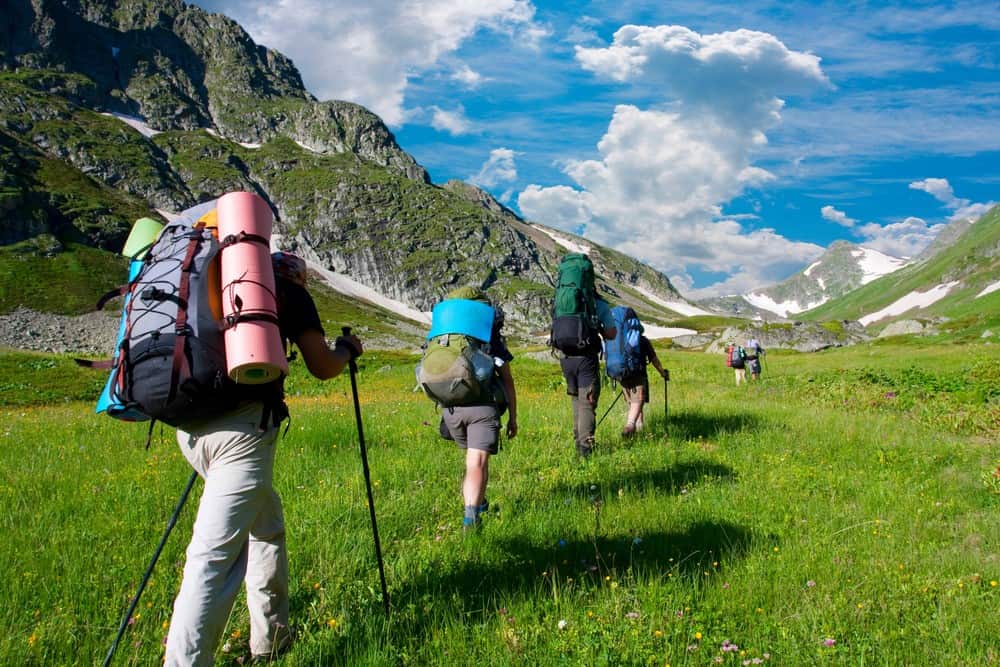

India, with its diverse geography and rich cultural heritage, is a paradise for trekkers. From the snow‑clad Himalayas in the north to the lush Western Ghats in the south, the country offers trails that cater to every level of adventurer. Trekking in India is not just about physical endurance—it’s a journey into landscapes, traditions, and spirituality. Whether you’re scaling high‑altitude passes, wandering through tea plantations, or exploring tribal villages, trekking here promises unforgettable experiences.
Why Choose Trekking in India?
- Diverse Terrain: Himalayas, deserts, forests, and coastal trails.
- Cultural Immersion: Villages, monasteries, and local traditions along the routes.
- Adventure: High‑altitude treks, glacier walks, and jungle trails.
- Accessibility: Well‑connected hubs and guided tours.
- Unique Appeal: A blend of nature, spirituality, and adventure.
Famous Trekking Regions in India
1. Himalayan Treks
The Himalayas are the crown jewel of trekking in India, offering trails that range from easy walks to challenging expeditions.
- Roopkund Trek (Uttarakhand): Known for the mysterious “Skeleton Lake,” surrounded by snow‑clad peaks.
- Chadar Trek (Ladakh): A winter trek across the frozen Zanskar River.
- Valley of Flowers (Uttarakhand): A UNESCO World Heritage Site, famous for alpine meadows and rare flora.
- Markha Valley (Ladakh): A cultural trek through monasteries, villages, and high passes.
- Everest Base Camp via India‑Nepal Border: For those seeking international adventure starting from Indian gateways.
2. Western Ghats Treks
The Western Ghats, a UNESCO World Heritage Site, offer lush greenery, waterfalls, and biodiversity.
- Kudremukh Trek (Karnataka): Rolling hills resembling a horse’s face.
- Chembra Peak (Kerala): Famous for its heart‑shaped lake.
- Rajmachi Fort Trek (Maharashtra): A blend of history and nature.
- Agumbe Rainforest Trails (Karnataka): Known as the “Cherrapunji of the South.”
3. Desert and Arid Zone Treks
Rajasthan and Gujarat offer unique desert trekking experiences.
- Thar Desert Trek (Rajasthan): Camel‑back journeys through dunes and villages.
- Kutch Trek (Gujarat): Exploring salt marshes and tribal culture.
4. Northeastern Treks
The Northeast is a hidden gem for trekkers, with unexplored trails and vibrant cultures.
- Dzongri Trek (Sikkim): Panoramic views of Kanchenjunga.
- Dzukou Valley Trek (Nagaland‑Manipur): Famous for seasonal flowers and rolling meadows.
- Namdapha National Park Trek (Arunachal Pradesh): Dense forests and rare wildlife.
5. Coastal Treks
India’s coastline offers scenic trails along beaches and cliffs.
- Gokarna Beach Trek (Karnataka): Connecting multiple pristine beaches.
- Goa’s Dudhsagar Trek: Leading to the iconic waterfall.
Types of Trekking in India
Easy Treks
- Suitable for beginners and families.
- Examples: Valley of Flowers, Rajmachi Fort.
Moderate Treks
- Require fitness and endurance.
- Examples: Roopkund, Dzongri, Kudremukh.
Challenging Treks
- High‑altitude, long duration, and technical skills.
- Examples: Chadar Trek, Markha Valley, Stok Kangri.
Sample Itinerary: 10‑Day Himalayan Trek (Roopkund)
- Day 1: Arrival in Rishikesh – Orientation and acclimatization.
- Day 2: Drive to Lohajung – Base camp.
- Day 3: Trek to Didna Village – Cultural immersion.
- Day 4: Trek to Ali Bugyal – Meadows and panoramic views.
- Day 5: Trek to Ghora Lotani – Campsite under the stars.
- Day 6: Trek to Bhagwabasa – High‑altitude camping.
- Day 7: Summit Roopkund – Explore Skeleton Lake.
- Day 8: Return to Lohajung – Descend through meadows.
- Day 9: Drive back to Rishikesh – Relaxation.
- Day 10: Departure – Optional extension to Valley of Flowers.
Cultural Immersion
- Cuisine: Local delicacies like momos in Ladakh, thukpa in Sikkim, and dal baati in Rajasthan.
- Festivals: Hemis Festival in Ladakh, Hornbill Festival in Nagaland.
- Communities: Interaction with tribal groups, monks, and villagers.
- Handicrafts: Woolen carpets, thangka paintings, bamboo crafts.
Best Time for Trekking in India
- Summer (April–June): Ideal for Himalayan treks.
- Monsoon (July–September): Best for Western Ghats and Valley of Flowers.
- Autumn (September–November): Clear skies, perfect for high‑altitude treks.
- Winter (December–February): Snow treks like Chadar and Kedarkantha.
Practical Travel Guide
How to Reach
- By Air: Major airports in Delhi, Bangalore, Kochi, and Guwahati connect trekking hubs.
- By Rail: Extensive railway network to base towns.
- By Road: Scenic drives to trailheads.
Accommodation
- Luxury: Resorts near trekking hubs.
- Mid‑Range: Lodges and homestays.
- Budget: Campsites and guesthouses.
Tips for Trekkers
- Fitness: Prepare with cardio and strength training.
- Gear: Carry trekking shoes, jackets, sleeping bags, and first‑aid kits.
- Safety: Acclimatize at high altitudes, stay hydrated, and follow guides.
- Respect Nature: Avoid littering, support eco‑friendly practices.
- Photography: Carry extra batteries and memory cards.
Emotional Impact
Trekking in India is more than an adventure—it’s a journey into the soul of nature and culture. Standing at a Himalayan pass, walking through rhododendron forests, or camping under desert stars evokes awe and serenity. For many, trekking becomes a transformative experience, inspiring mindfulness, resilience, and joy.
Conclusion
The Trekking in India experience offers travelers a curated gateway into the country’s diverse landscapes. From Himalayan expeditions and desert trails to coastal walks and rainforest treks, India is a living canvas of adventure and tradition. Whether you’re seeking relaxation, romance, or adrenaline, trekking here promises memories that linger long after the journey ends.