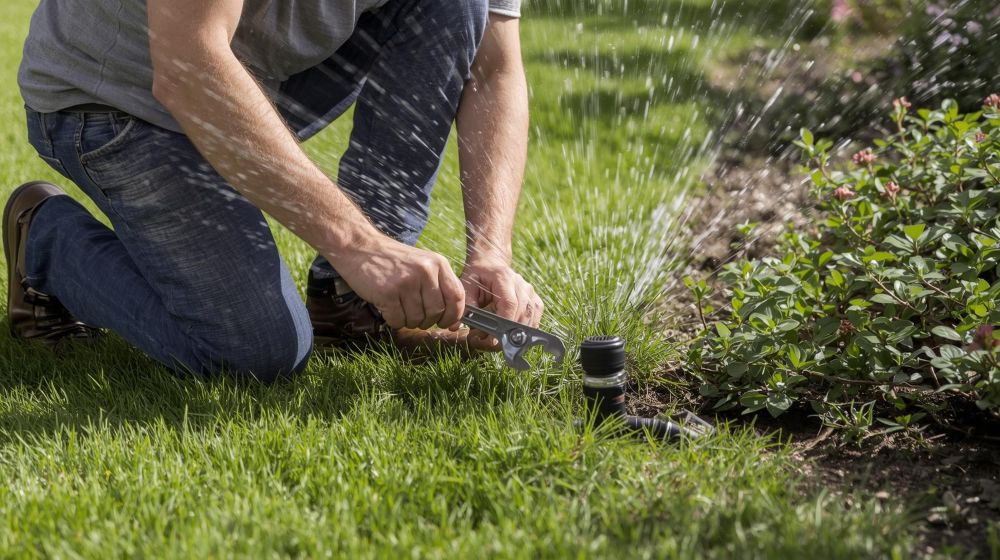

A green, healthy lawn in Los Angeles depends on more than good soil and quality sprinkler heads. Proper sprinkler system wiring ensures each zone turns on and off exactly when it should, preventing dry spots, water waste, and costly damage.
When wiring is done correctly, your irrigation system runs quietly in the background, keeping your landscape fresh even during hot California summers.
Many property owners focus on visible parts of the system. But the wiring is the hidden backbone. If it fails, the entire system struggles.
Efficient watering starts with a smart layout, quality materials, and professional installation. Here’s how to make sure your sprinkler wiring supports long-term performance and water efficiency.
Plan the Irrigation Layout First
Every successful irrigation project begins with a clear plan. Before wires are placed underground, the sprinkler zones must be mapped carefully. Each zone controls a specific section of your lawn or garden, and every zone connects to a valve through low-voltage wiring.
Start by identifying grass areas, plant beds, and slopes. Different areas need different watering times. Grouping similar plants into one zone helps avoid overwatering or underwatering.
In Los Angeles, outdoor watering can account for nearly half of a home’s total water use, according to the Metropolitan Water District. That makes proper planning critical. When zones are balanced correctly, your irrigation system avoids runoff and uneven coverage.
A clear wiring path also reduces signal loss. Long, disorganized wire runs can weaken communication between the controller and valves. A structured layout keeps the system efficient and easier to maintain.
Sprinkler System Wiring Tips for Reliable Performance
Correct sprinkler system wiring prevents electrical problems and keeps valves responding quickly. Small installation mistakes often lead to expensive repairs later.
Use irrigation-rated wire designed for underground use. Standard indoor wire breaks down quickly when exposed to moisture. Direct burial wire with multiple copper strands offers better flexibility and durability. Color-coded wires make future troubleshooting easier.
Connections matter just as much as the wire itself. Outdoor splices must be sealed against moisture. Waterproof connectors filled with protective grease prevent corrosion. Loose or exposed connections are one of the most common causes of valve failure.
Keep wiring neat inside each valve box. Clearly label zones at the controller. Organized systems are easier to inspect and repair. When landscaping changes happen later, labeled wiring prevents confusion and damage.
Reliable wiring ensures every watering cycle starts and stops on time. That consistency protects grass roots and prevents overwatering.
Choose the Right Irrigation Controller
The controller acts as the brain of your lawn irrigation system. If wiring connects poorly to the controller, watering schedules may fail.
Modern smart controllers adjust watering based on weather conditions. The EPA’s WaterSense program reports that certified smart controllers can reduce outdoor water use by up to 20 percent. In a dry climate like Southern California, that reduction makes a real difference.
Mount the controller in a shaded, dry location. Excess heat can affect performance. Always keep low-voltage sprinkler wires separate from high-voltage power lines. Mixing them can cause signal interference or system errors.
A properly installed controller paired with strong wiring keeps your lawn healthy while helping you stay within local water restrictions. It also provides better long-term cost control.
Protect Underground Wiring from Damage
Once wiring is installed, protection becomes the priority. Irrigation wires face heat, moisture, and accidental cuts from gardening tools.
Wires should be buried at least six inches deep. In areas with heavy foot traffic or frequent digging, deeper placement adds security. Some professionals use protective conduit in high-risk areas to extend system life.
Rodents can also damage exposed wiring. Sealed valve boxes help reduce this risk. During future landscaping upgrades, knowing where wires run prevents accidental cuts. Keeping a simple property map with marked irrigation lines is a smart step.
Protection is not just about avoiding repairs. It ensures steady watering throughout the year. Consistent performance supports healthy root growth and reduces stress on turf during hot Los Angeles summers.
Test the System Before Closing Trenches
Testing is often overlooked, yet it is one of the most important steps. Before trenches are filled, each zone should be tested carefully.
Activate each zone manually at the controller. Watch how quickly valves respond. Check that water shuts off completely after each cycle. If a valve stays open, wiring connections may need adjustment.
Using a multimeter helps confirm correct voltage. Most residential systems operate at 24 volts. Low readings can signal loose connections or damaged wires.
Early testing saves time and money. Fixing issues before backfilling is simple. Digging up a finished lawn later is costly and frustrating. Proper testing ensures your irrigation repair needs stay minimal.
Know When Professional Installation Makes Sense
While small repairs may seem manageable, full irrigation wiring requires experience. Incorrect splicing or poor controller setup can damage valves and waste water.
Licensed professionals understand Los Angeles water regulations and local soil conditions. Sloped yards, large properties, and multi-zone systems require precise wiring and balancing. Without that expertise, runoff and uneven watering often occur.
Property owners who prefer dependable results often choose professional service. A skilled team ensures the irrigation system works smoothly from day one. That peace of mind protects your investment and keeps your landscape looking its best.
Conclusion
Efficient watering begins underground. When sprinkler system wiring is installed with care, every zone runs smoothly, water is distributed evenly, and your lawn stays healthy without waste. Proper planning, quality materials, and thorough testing prevent costly repairs and protect your landscape investment.
For homeowners in Los Angeles who want dependable, professional results, RototillerGuy brings over 25 years of experience and more than 500 local reviews.
With proven expertise in lawn installation, landscaping, and sprinkler services, RototillerGuy delivers reliable, high-quality outdoor transformations that keep properties looking their best year-round.
Frequently Asked Questions
Q1. What type of wire should be used for irrigation systems?
Underground irrigation systems require direct burial, multi-strand copper wire. This type resists moisture and soil corrosion. Color-coded strands help identify zones quickly. Using proper waterproof connectors further protects the system and extends its lifespan.
Q2. How deep should sprinkler wiring be installed?
Most residential irrigation wires should be buried at least six inches deep. In areas with heavy landscaping work or traffic, deeper placement offers added protection. Local building codes may have specific requirements.
Q3. Can poor wiring cause sprinkler valves to stay on?
Yes. Loose or corroded connections can prevent valves from closing fully. This leads to overwatering and higher water bills. Proper wiring ensures valves receive consistent signals to open and close correctly.
Q4. How long does sprinkler system wiring typically last?
Quality irrigation wiring can last 15 to 20 years when installed correctly. Proper burial depth, waterproof connectors, and regular inspections help maximize lifespan.
Q5. Are smart sprinkler controllers worth it in Los Angeles?
Smart controllers adjust watering schedules based on weather conditions. EPA data shows they can reduce outdoor water use by up to 20 percent. In drought-prone areas, they often provide significant savings.