
India is blessed with diverse landscapes and cultures, but Kerala stands out as one of the most enchanting destinations. Kerala Tourism has earned global recognition for its backwaters, lush greenery, serene beaches, and rich traditions. Known as God’s Own Country, Kerala offers travelers a perfect blend of natural beauty, cultural heritage, and modern hospitality.
Introduction to Kerala
Located on the southwestern coast of India, Kerala is bordered by Karnataka to the north, Tamil Nadu to the east, and the Arabian Sea to the west. Its tropical climate, abundant rainfall, and fertile soil make it one of the greenest states in India. Kerala’s unique geography includes the Western Ghats, backwaters, and long stretches of coastline, making it a paradise for nature lovers.
Tourism in Kerala thrives on its diversity—houseboat cruises, Ayurvedic wellness retreats, wildlife sanctuaries, hill stations, and cultural festivals. This variety ensures that every traveler finds something memorable.
Why Kerala Tourism is Special
- Backwaters: A network of lagoons, lakes, and canals offering houseboat experiences.
- Beaches: Pristine shores like Kovalam, Varkala, and Marari.
- Hill Stations: Munnar, Wayanad, and Thekkady with tea plantations and cool climates.
- Wildlife: Sanctuaries like Periyar and Eravikulam with elephants, tigers, and rare species.
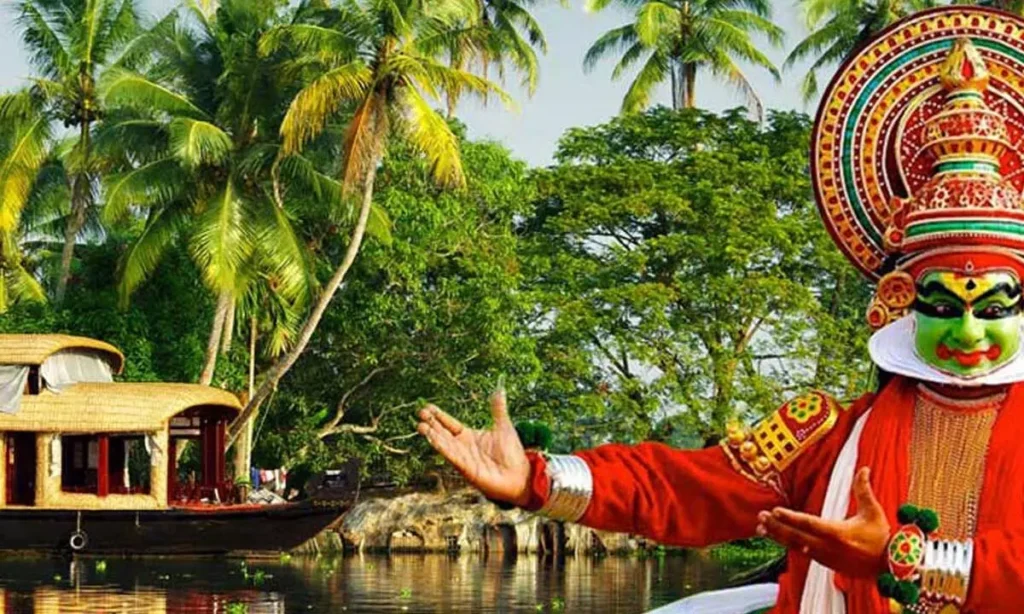
- Culture: Kathakali dance, temple festivals, and traditional art forms.
- Ayurveda: Wellness therapies and rejuvenation programs.
Major Tourist Destinations in Kerala
1. Kochi – The Queen of the Arabian Sea
Kochi is a vibrant port city blending history and modernity. Attractions include Fort Kochi, Chinese fishing nets, Mattancherry Palace, and Jew Town. It is also a hub for art and culture, hosting the Kochi-Muziris Biennale.
2. Munnar – The Tea Capital
Nestled in the Western Ghats, Munnar is famous for its rolling tea plantations, misty hills, and cool climate. Key attractions include Eravikulam National Park, Tea Museum, and Anamudi Peak.
3. Alleppey – The Venice of the East
Alleppey is synonymous with Kerala’s backwaters. Houseboat cruises along Vembanad Lake offer a unique experience of village life, lush paddy fields, and coconut groves.
4. Thekkady – Wildlife and Spice
Home to the Periyar Wildlife Sanctuary, Thekkady is ideal for nature lovers. Visitors can enjoy boat rides on Periyar Lake, spice plantation tours, and trekking.
5. Wayanad – Nature’s Retreat
Wayanad is known for its waterfalls, caves, and wildlife. Attractions include Edakkal Caves, Banasura Sagar Dam, and Wayanad Wildlife Sanctuary.
6. Kovalam – The Beach Paradise
Kovalam is one of India’s most famous beach destinations. Its crescent-shaped beaches, lighthouse views, and water sports make it a favorite among tourists.
7. Varkala – Cliffside Charm
Varkala offers a unique setting with cliffs overlooking the Arabian Sea. The Papanasam Beach and Janardana Swami Temple are popular attractions.
8. Thrissur – The Cultural Capital
Thrissur is famous for the Thrissur Pooram Festival, temples, and cultural institutions. It is considered the cultural heart of Kerala.
Cultural Experiences in Kerala
- Kathakali: A classical dance-drama with elaborate costumes and storytelling.
- Mohiniyattam: A graceful dance form performed by women.
- Festivals: Onam, Vishu, and temple festivals showcase Kerala’s traditions.
- Cuisine: Appam with stew, Kerala Sadya, Malabar biryani, and seafood delicacies.
- Handicrafts: Coir products, mural paintings, and traditional jewelry.
Kerala’s Backwaters – A Unique Attraction
The backwaters are the highlight of Kerala Tourism. Stretching across districts like Alappuzha, Kumarakom, and Kollam, these waterways offer houseboat cruises that combine relaxation with scenic beauty. Watching sunsets over the water, dining on freshly cooked Kerala cuisine, and experiencing village life make backwater tourism unforgettable.
Ayurveda and Wellness Tourism
Kerala is the birthplace of Ayurveda, an ancient system of medicine. Wellness centers across the state offer therapies for rejuvenation, detoxification, and healing. Popular treatments include Panchakarma, oil massages, and herbal therapies. Many travelers visit Kerala specifically for Ayurvedic retreats.
Adventure Tourism in Kerala
Kerala is not just about relaxation; it also offers adventure activities:
- Trekking: In Munnar, Wayanad, and Agasthyakoodam.
- Wildlife Safaris: In Periyar and Eravikulam National Parks.
- Water Sports: Surfing, parasailing, and kayaking at Kovalam and Varkala.
- Camping: In hill stations and forest reserves.
Kerala Tourism and Eco-Tourism
Kerala promotes sustainable tourism through eco-friendly initiatives. Destinations like Thenmala Eco-Tourism and Silent Valley National Park highlight conservation efforts. Homestays and village tourism projects allow travelers to experience local life while supporting communities.
Best Time to Visit Kerala
The best time to explore Kerala is between September and March, when the weather is pleasant. Monsoons (June to August) are ideal for Ayurvedic treatments and lush landscapes, while summer (April to May) is suitable for hill stations.
Government Initiatives for Kerala Tourism
The Kerala government actively promotes tourism through campaigns like Visit Kerala and Human by Nature. Investments in infrastructure, digital promotion, and eco-tourism projects have enhanced Kerala’s global appeal. The state also emphasizes responsible tourism, encouraging visitors to respect local culture and environment.
Suggested Itineraries
Backwater & Beach Circuit
- Kochi → Alleppey → Kumarakom → Kovalam → Varkala
Hill Station & Wildlife Circuit
- Munnar → Thekkady → Wayanad → Silent Valley
Cultural & Spiritual Circuit
- Thrissur → Guruvayur → Sabarimala → Trivandrum
Conclusion
Kerala Tourism is a celebration of nature, culture, and wellness. From the tranquil backwaters to the vibrant festivals, from Ayurvedic retreats to adventurous treks, Kerala offers something for every traveler. Its landscapes soothe the soul, its traditions enrich the mind, and its hospitality makes visitors feel at home. Truly, Kerala is not just a destination—it is an experience that lingers long after the journey ends.