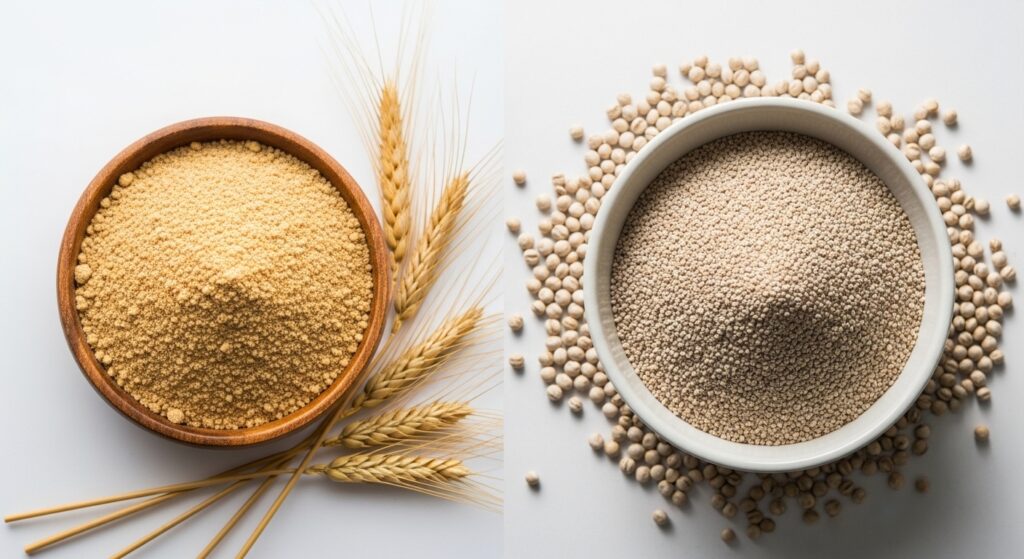

Introduction: The Flour Dilemma in Modern Indian Kitchens
In today’s health-conscious world, choosing the right flour for your daily rotis has become more important than ever. With the rise of lifestyle diseases like diabetes, obesity, and heart conditions, people are increasingly looking beyond regular wheat flour (atta) to healthier alternatives. Two options that have gained significant popularity are High Protein Atta and Jowar Atta (sorghum flour).
But which one should you choose for your daily diet? This comprehensive guide will help you make an informed decision by comparing these two popular flour options across multiple parameters including nutrition, health benefits, taste, cooking properties, and suitability for different health conditions.
What is High Protein Atta?
High Protein Atta is an enhanced version of regular whole wheat flour that contains a higher concentration of protein. While regular wheat flour typically contains 10-12% protein, high protein atta boasts 14-16% or even higher protein content. This is achieved through:
- Selective wheat varieties: Using wheat strains naturally higher in protein content
- Fortification: Adding protein-rich ingredients like soy flour, oats, or legume flours
- Blending techniques: Mixing different grains to boost overall protein levels
High protein atta has become popular among fitness enthusiasts, growing children, and people looking to increase their protein intake through regular meals without relying heavily on supplements.
Key Characteristics of High Protein Atta:
- Contains 14-16% protein or higher
- Made from wheat or wheat blends
- Contains gluten (important for those with celiac disease)
- Softer texture for rotis
- Mild, familiar wheat taste
- Widely available in most stores
What is Jowar Atta?
Jowar Atta, also known as sorghum flour, is made from jowar grain – an ancient millet that has been part of Indian cuisine for thousands of years. Jowar is particularly popular in Maharashtra, Karnataka, and other parts of India where it’s used to make bhakris, rotis, and various traditional dishes.
Unlike wheat, jowar is a gluten-free grain that’s naturally rich in nutrients. It has gained tremendous popularity in recent years as people have become more aware of its health benefits and its suitability for those with gluten sensitivity.
Key Characteristics of Jowar Atta:
- Gluten-free grain
- Contains 10-11% protein
- Rich in dietary fiber
- Traditional Indian millet
- Slightly earthy, nutty flavor
- Makes thicker, heartier rotis
Nutritional Comparison: Breaking Down the Numbers
Let’s compare the nutritional profile of both flours per 100 grams:
High Protein Atta (100g):
- Calories: 340-360 kcal
- Protein: 14-16g
- Carbohydrates: 65-70g
- Fiber: 10-12g
- Fat: 2-3g
- Iron: 3-4mg
- Calcium: 30-40mg
- Phosphorus: 300-350mg
- B Vitamins: Good source
Jowar Atta (100g):
- Calories: 330-350 kcal
- Protein: 10-11g
- Carbohydrates: 70-75g
- Fiber: 10-14g
- Fat: 3-4g
- Iron: 4-5mg
- Calcium: 25-30mg
- Phosphorus: 220-280mg
- B Vitamins: Rich source
- Antioxidants: Higher levels
The Protein Advantage
At first glance, high protein atta clearly wins in the protein department with 40-50% more protein than jowar atta. This makes it an excellent choice for:
- Athletes and bodybuilders
- Growing children and teenagers
- People recovering from illness
- Those trying to lose weight with higher protein intake
- Vegetarians needing more protein sources
However, it’s crucial to understand that protein quantity isn’t the only factor. The quality of protein, amino acid profile, and how your body absorbs it also matter significantly.
The Fiber Factor
Jowar atta often contains slightly more dietary fiber than high protein atta, which provides benefits for:
- Better digestive health
- Improved gut bacteria balance
- Longer-lasting satiety
- Better blood sugar control
- Lower cholesterol levels
Health Benefits: High Protein Atta
1. Muscle Building and Repair
The elevated protein content supports muscle growth, making it ideal for active individuals and those engaged in strength training. Protein is essential for repairing muscle tissue after workouts and maintaining lean muscle mass.
2. Weight Management
Higher protein intake increases satiety, helping you feel fuller for longer. This can reduce overall calorie consumption and support weight loss efforts. Studies show that protein has the highest thermic effect among macronutrients, meaning your body burns more calories digesting it.
3. Steady Energy Levels
The balanced combination of protein and complex carbohydrates provides sustained energy throughout the day, preventing sudden energy crashes and reducing cravings.
4. Convenient Nutrition
For vegetarians who struggle to meet daily protein requirements (0.8-1g per kg body weight), high protein atta offers an easy way to boost protein intake through regular meals.
5. Better Hair and Skin
Protein is essential for keratin production, which supports healthy hair growth and skin repair. Regular consumption can improve hair texture and skin elasticity.
Health Benefits: Jowar Atta
1. Gluten-Free Advantage
For people with celiac disease, gluten sensitivity, or those following a gluten-free diet, jowar is a safe and nutritious alternative to wheat-based flours. This makes it accessible to a wider population.
2. Blood Sugar Management
Jowar has a lower glycemic index (60-70) compared to wheat (69-75), meaning it causes a slower, more gradual rise in blood sugar levels. This makes it particularly beneficial for diabetics and those at risk of diabetes.
3. Heart Health
Rich in policosanols and plant sterols, jowar helps reduce bad cholesterol (LDL) levels while maintaining good cholesterol (HDL). The high fiber content also supports cardiovascular health.
4. Rich in Antioxidants
Jowar contains phenolic compounds and antioxidants that fight free radicals, reduce inflammation, and may lower the risk of chronic diseases including certain cancers.
5. Supports Digestive Health
The high fiber content promotes regular bowel movements, prevents constipation, and supports a healthy gut microbiome. The resistant starch in jowar also acts as a prebiotic.
6. Weight Management
Despite being slightly lower in protein, jowar’s high fiber content keeps you satisfied longer and supports healthy weight management by improving metabolism.
7. Bone Health
Jowar contains good amounts of calcium, magnesium, and phosphorus – minerals essential for maintaining strong bones and preventing osteoporosis.
Taste and Texture Comparison
High Protein Atta:
- Taste: Mild, slightly nutty flavor similar to regular wheat flour
- Texture: Soft, pliable rotis that stay fresh longer
- Color: Light brown to golden brown
- Flexibility: Makes soft, thin rotis easily
- Acceptance: Easily accepted by children and picky eaters
Jowar Atta:
- Taste: Earthy, slightly nutty, more distinctive flavor
- Texture: Denser, heartier rotis with more substance
- Color: Grayish to light brown
- Flexibility: Makes thicker rotis; can be slightly brittle when cool
- Acceptance: May require adjustment period for those used to wheat
The taste difference is significant. While high protein atta tastes very similar to regular wheat atta, jowar has a more distinct flavor that some describe as earthy or nutty. Children and those accustomed to wheat may initially find jowar less appealing, though most people adjust within a week or two.
Cooking Properties and Usage
High Protein Atta:
Best for:
- Daily rotis and chapatis
- Parathas (with or without stuffing)
- Puris
- Baking (breads, muffins, cakes)
- Thickening gravies
- Multi-purpose flour applications
Cooking Tips:
- Binds easily with water due to gluten content
- Requires less kneading than regular atta
- Makes soft, puffed rotis effortlessly
- Can be stored for 2-3 months
- Works well in combination with other flours
Jowar Atta:
Best for:
- Traditional bhakris
- Jowar rotis
- Pancakes and dosas
- Porridge (jowar khichdi)
- Gluten-free baking (with binders)
- Traditional sweets
Cooking Tips:
- Requires hot water for kneading (improves binding)
- Best consumed fresh as rotis become brittle when cold
- May need addition of binding agents for certain recipes
- Should be stored in airtight containers (prone to rancidity)
- Tastes best with ghee or oil application
- Works excellently mixed 50:50 with wheat flour for beginners
Which Flour for Which Health Condition?
Choose High Protein Atta if you:
- Are an athlete or engage in regular intense workouts
- Are trying to build muscle mass
- Need to increase protein intake for medical reasons
- Have growing children or teenagers at home
- Want convenient protein boost in everyday meals
- Prefer softer, familiar-tasting rotis
- Don’t have gluten sensitivity
Choose Jowar Atta if you:
- Have diabetes or pre-diabetes
- Have celiac disease or gluten intolerance
- Have high cholesterol or heart health concerns
- Want to improve digestive health
- Are looking for traditional, wholesome grains
- Need a lower glycemic index option
- Want higher antioxidant intake
- Are managing PCOS or hormonal imbalances
Both Work Well if you:
- Are focused on weight loss
- Want to improve overall nutrition
- Need sustained energy throughout the day
- Are health-conscious and want variety
Cost and Availability
High Protein Atta:
- Widely available in supermarkets and grocery stores
- Price: ₹40-80 per kg depending on brand and fortification
- Longer shelf life (2-3 months)
- Available in various brands with different protein percentages
Jowar Atta:
- Available in most Indian grocery stores
- Price: ₹50-100 per kg depending on organic/conventional
- Shorter shelf life (1-2 months, prone to rancidity)
- Growing availability due to increased demand
- Often available in organic varieties
High protein atta is generally more accessible in urban areas and maintains freshness longer, making it more convenient for most households.
Can You Use Both? The Best of Both Worlds
You don’t have to choose just one! Many nutritionists and home cooks recommend rotating between different flours or creating custom blends. Here are some practical approaches:
Option 1: Rotation Method
Alternate between the two flours throughout the week:
- Monday-Wednesday: High Protein Atta
- Thursday-Saturday: Jowar Atta
- Sunday: Mixed or your choice
Option 2: Meal-Based Selection
- Breakfast: Jowar rotis for stable blood sugar
- Lunch/Dinner: High protein atta for muscle support
Option 3: Custom Blend
Mix both flours for balanced nutrition:
- 70:30 ratio (High Protein Atta:Jowar) – for those new to jowar
- 50:50 ratio – for balanced nutrition
- 30:70 ratio (High Protein Atta:Jowar) – for maximum jowar benefits with better texture
This blend approach gives you higher protein than jowar alone, better texture than pure jowar, and gluten-free benefits when using appropriate ratios.
Expert Recommendations
For General Population:
Nutritionists often recommend incorporating both flours into your diet rather than relying solely on one. Start your day with jowar for blood sugar stability, and use high protein atta for lunch when you need sustained energy and muscle support.
For Specific Goals:
Muscle Building Priority: High Protein Atta (70-80% of meals) + Jowar (20-30%)
Diabetes Management: Jowar Atta (60-70%) + High Protein Atta (30-40%)
Weight Loss: Equal rotation or 50:50 blend
General Health: Rotate weekly or use 50:50 blend
Portion Control Matters
Remember, regardless of which flour you choose, portion control is crucial. A standard serving of 2-3 rotis (60-90g flour) is appropriate for most adults. Even the healthiest flour can lead to weight gain if consumed excessively.
Common Myths Debunked
Myth 1: “High protein atta is artificial and unhealthy”
Reality: Most high protein attas use natural fortification methods with ingredients like soy, oats, or protein-rich wheat varieties. Check labels to ensure no artificial additives.
Myth 2: “Jowar is only for diabetics”
Reality: While excellent for diabetics, jowar offers numerous benefits for everyone including heart health, digestive wellness, and sustained energy.
Myth 3: “You need protein supplements if eating jowar”
Reality: Jowar provides adequate protein for average individuals. Combine it with legumes (dal) to get complete amino acid profile.
Myth 4: “Gluten-free automatically means healthier”
Reality: Gluten-free is necessary for those with celiac disease or sensitivity, but isn’t inherently healthier for others. Both options are healthy when consumed appropriately.
Practical Tips for Transition
Switching to High Protein Atta:
- Start by mixing 25% high protein atta with your regular atta
- Gradually increase the ratio over 2 weeks
- No major cooking adjustments needed
- Most people adapt immediately
Switching to Jowar Atta:
- Begin with 50:50 jowar-wheat blend
- Use hot water for kneading
- Apply ghee or oil to prevent drying
- Consume rotis fresh for best taste and texture
- Gradually increase jowar percentage
- Allow 1-2 weeks for taste adjustment
Storage Tips
High Protein Atta:
- Store in airtight container
- Keep in cool, dry place
- Shelf life: 2-3 months
- Can be refrigerated for extended freshness
Jowar Atta:
- Store in airtight container in cool place
- Due to higher oil content, prone to rancidity
- Best stored in refrigerator
- Shelf life: 1-2 months
- Buy in smaller quantities
- Smell before using (should be fresh, not bitter)
Final Verdict: Which is Better?
The truth is, there’s no universal “better” option – it depends entirely on your individual needs, health goals, and preferences.
Choose High Protein Atta if: Your primary goal is muscle building, increasing protein intake, or you need the familiar taste and texture of wheat-based rotis without gluten concerns.
Choose Jowar Atta if: You have gluten sensitivity, diabetes, heart health concerns, or want to incorporate traditional, nutrient-dense millets into your diet.
The Smartest Approach: Use both in rotation or combination to enjoy the benefits of each. This provides nutritional diversity, prevents dietary monotony, and supports overall health from multiple angles.
Conclusion
Both high protein atta and jowar atta are excellent choices that surpass regular refined flour in nutritional value. High protein atta wins on protein content and convenience, while jowar atta excels in being gluten-free, having a lower glycemic index, and offering superior antioxidant content.
The key is to understand your body’s unique requirements, health conditions, and goals. Listen to how your body responds to each flour, and don’t hesitate to experiment with combinations. Remember that no single food makes or breaks a healthy diet – it’s your overall eating pattern, portion control, and lifestyle that matter most.
Consider consulting with a nutritionist or dietitian who can provide personalized recommendations based on your complete health profile. Whether you choose high protein atta, jowar atta, or both, you’re making a positive step toward better nutrition and health.
Read More: baddiehub