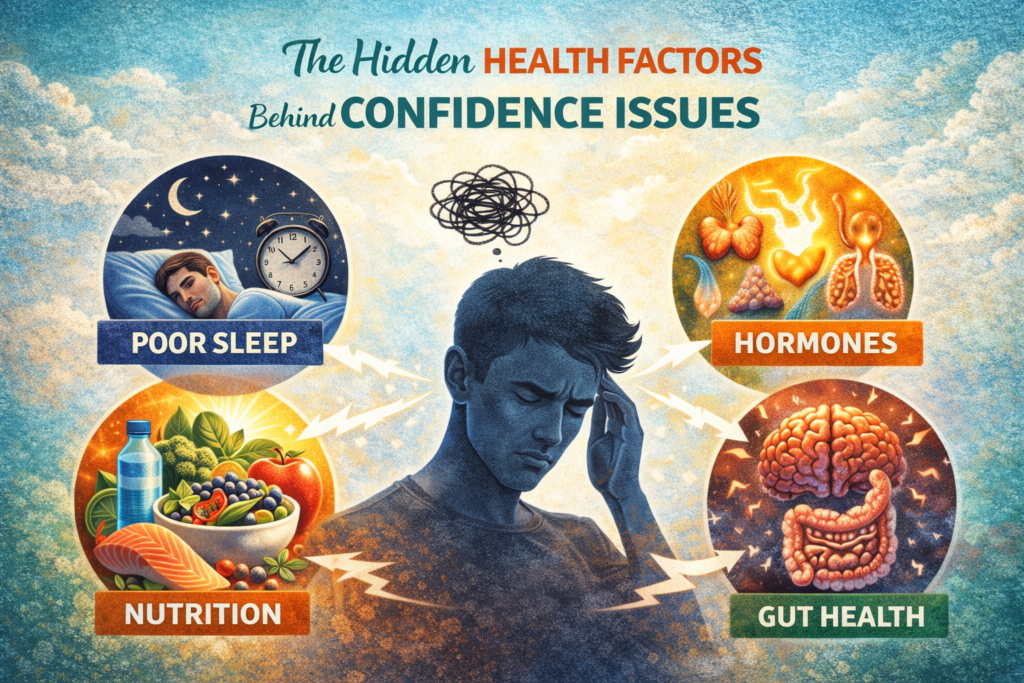

Confidence is often described as a mindset or personality trait. However, research increasingly shows that confidence is strongly influenced by physical and biological health. When the body is under stress, lacking nutrients, or struggling with imbalance, the brain reflects those changes in mood, motivation, and self-perception.
Understanding the hidden health factors behind confidence issues can help address the root cause rather than just the symptoms.
1. Sleep Deprivation and Cognitive Performance
Sleep plays a critical role in emotional regulation and cognitive clarity. During deep sleep, the brain processes emotions, consolidates memory, and restores mental energy. When sleep is insufficient or poor in quality, several changes occur:
- Increased irritability
- Reduced concentration
- Slower decision-making
- Heightened anxiety
These effects can make everyday interactions feel overwhelming. A well-rested person typically responds calmly and thinks clearly, while someone sleep-deprived may second-guess themselves or feel socially insecure.
Chronic sleep deprivation has also been linked to higher stress hormone levels, which further reduce emotional stability.
2. Nutritional Deficiencies That Affect Mood
The brain depends on a steady supply of nutrients to produce neurotransmitters such as serotonin and dopamine, which regulate mood and motivation.
Common deficiencies that may impact confidence include:
- Iron deficiency – Causes fatigue and reduced mental sharpness.
- Vitamin D deficiency – Associated with low mood and reduced emotional resilience.
- B-vitamin deficiency – Affects nerve function and cognitive clarity.
- Omega-3 fatty acid deficiency – Linked to mood instability.
When energy levels are low or mood is consistently down, individuals may interpret these physical symptoms as personal weakness rather than nutritional imbalance.
3. Hormonal Imbalances
Hormones significantly influence mood, self-esteem, and emotional stability. Imbalances in thyroid hormones, cortisol (stress hormone), insulin, or reproductive hormones can contribute to:
- Sudden mood swings
- Low energy
- Anxiety
- Reduced motivation
For example, chronically elevated cortisol due to stress can create constant tension and negative thought patterns. Thyroid disorders may lead to mental fog and fatigue, making people feel less capable.
These biological shifts can quietly undermine confidence without individuals realizing the medical connection.
4. Gut-Brain Connection
The gut and brain communicate through what scientists call the “gut-brain axis.” A large percentage of serotonin, the neurotransmitter linked to well-being, is produced in the digestive system.
Poor gut health caused by processed foods, low fiber intake, dehydration, or chronic digestive problems can influence mood and emotional regulation. When digestion is disrupted, mental clarity and emotional balance may suffer as well.
5. Chronic Stress and Inflammation
Long-term stress triggers inflammation in the body and increases cortisol production. Over time, this can affect brain function and emotional resilience.
Chronic stress often leads to:
- Persistent self-doubt
- Negative self-talk
- Difficulty handling criticism
- Reduced social confidence
The brain under stress becomes more reactive and less rational, which can distort self-perception.
6. Physical Inactivity
Exercise is not only beneficial for physical health but also for mental strength. Regular movement improves circulation, enhances oxygen flow to the brain, and stimulates endorphin release.
Physical activity supports:
- Better posture
- Improved body image
- Increased energy
- Reduced anxiety
A sedentary lifestyle, on the other hand, can contribute to sluggishness and lower self-esteem over time.
7. Underlying Mental Health Conditions
Sometimes, low confidence is a symptom of mild anxiety, depression, or social anxiety disorder. These conditions can alter thought patterns, leading to excessive self-criticism or fear of judgment.
Addressing these concerns through counseling, therapy, or medical support can significantly improve confidence levels.
Conclusion
Confidence is not just a psychological trait—it is closely tied to biological and physical health. Sleep quality, nutrition, hormone balance, stress levels, gut health, and physical activity all influence how the brain processes emotions and self-image.
Rather than focusing only on motivational techniques, it is important to evaluate lifestyle habits and overall health. By supporting the body through balanced nutrition, adequate sleep, stress management, and regular exercise, individuals often experience noticeable improvements in confidence. Read More…