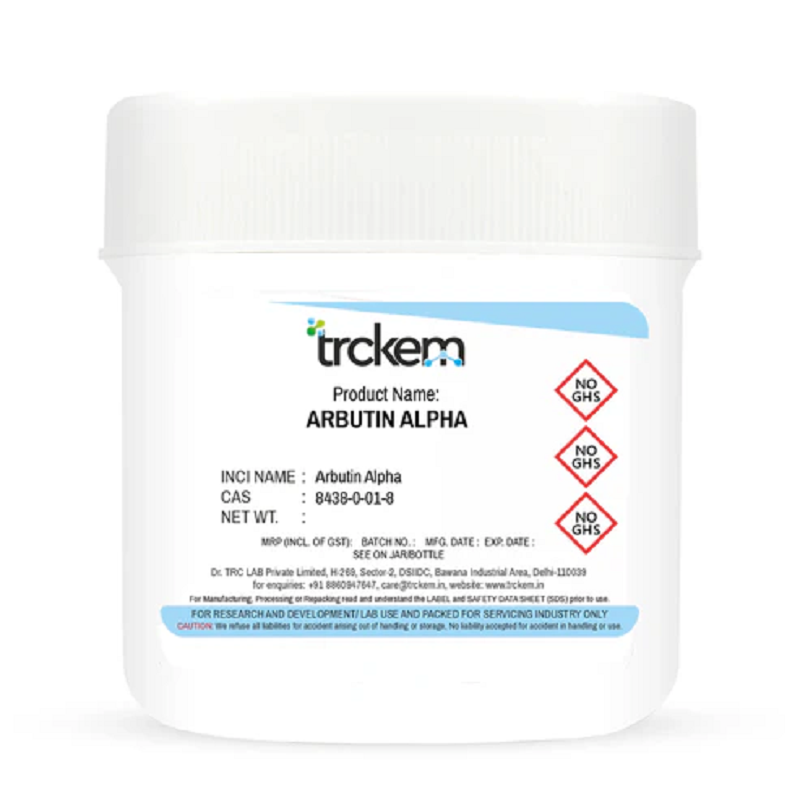

In today’s competitive skincare market, Arbutin Alpha has become one of the most sought-after ingredients for skin brightening and pigmentation control. Cosmetic manufacturers worldwide are increasingly incorporating this powerful active into serums, creams, lotions, and advanced dermatological formulations. If you are a cosmetic brand owner or contract manufacturer looking to understand the commercial and formulation potential of Arbutin Alpha, this comprehensive guide will help you make informed decisions.
What Is Arbutin Alpha?
Arbutin Alpha (also known as Alpha-Arbutin) is a water-soluble skin-brightening compound derived from hydroquinone and glucose. It is considered more stable and effective than Beta Arbutin, making it highly preferred in modern cosmetic formulations.
Its primary function is to inhibit tyrosinase, the enzyme responsible for melanin production. By controlling melanin synthesis, Arbutin Alpha helps reduce dark spots, hyperpigmentation, melasma, acne marks, and uneven skin tone.
For cosmetic manufacturers, this ingredient offers a balance of efficacy, safety, and regulatory acceptability, which is critical in today’s global beauty industry.
Why Cosmetic Manufacturers Prefer Arbutin Alpha
1. High Stability
Compared to other brightening agents, Arbutin Alpha is more stable under controlled pH conditions (typically 3.5–6.5). This makes it suitable for serums and emulsions without rapid degradation.
2. Effective Skin Brightening
It works by gradually lightening pigmentation without causing irritation when formulated correctly. This makes it ideal for sensitive-skin products.
3. Safer Alternative to Hydroquinone
Hydroquinone use is restricted or regulated in many countries. Arbutin Alpha provides a safer cosmetic alternative while still delivering visible brightening results.
4. Compatible with Other Actives
Manufacturers often combine Arbutin Alpha with:
- Vitamin C derivatives
- Niacinamide
- Kojic Acid
- Hyaluronic Acid
This compatibility allows brands to create multi-functional brightening products.
Industrial Applications in Cosmetic Formulations
For cosmetic manufacturers, Arbutin Alpha is commonly used in:
- Skin brightening serums
- Anti-pigmentation creams
- Spot correction gels
- Whitening lotions
- Sheet masks
- Dermatological solutions
Typical usage concentration ranges between 0.2% to 2%, depending on formulation type and regulatory guidelines.
It dissolves easily in water, making it suitable for aqueous phases in emulsions and serums. However, careful temperature control is necessary during manufacturing to preserve its stability.
Quality Parameters Manufacturers Should Consider
When sourcing Arbutin Alpha, cosmetic manufacturers must evaluate the following quality standards:
- Purity level (usually ≥ 99%)
- Appearance (white crystalline powder)
- Solubility
- pH stability
- Heavy metal limits
- Microbial limits
- Proper packaging and storage conditions
Choosing a reliable supplier is critical to ensure consistent product performance and regulatory compliance.
This is where trusted ingredient providers like Trckem play an important role in delivering high-quality cosmetic-grade raw materials suitable for large-scale production.
Regulatory and Safety Considerations
Before incorporating Arbutin Alpha into your product line, manufacturers must check:
- Local cosmetic regulations
- Maximum allowable concentration
- Stability test results
- Safety assessments
- Patch testing results
In the EU, for example, cosmetic regulations define maximum concentration limits for Alpha-Arbutin in face and body products. Manufacturers must always stay updated with regional compliance standards.
Conducting proper stability testing, compatibility testing, and preservative efficacy testing (PET) ensures product safety and shelf life.
Formulation Tips for Cosmetic Manufacturers
To maximize the effectiveness of Arbutin Alpha in your product:
- Maintain formulation pH between 3.5–6.5
- Avoid excessive heat during processing
- Combine with antioxidants for enhanced stability
- Use opaque or air-tight packaging to prevent degradation
- Conduct accelerated stability studies
Additionally, pairing Arbutin Alpha with sunscreen formulations enhances results, as UV exposure can trigger pigmentation.
Market Demand and Commercial Opportunity
The global demand for skin-brightening and pigmentation-correcting products continues to grow rapidly, especially in Asia, the Middle East, and emerging markets. Consumers increasingly seek safe, clinically backed alternatives to harsh whitening agents.
This trend positions Arbutin Alpha as a high-value active ingredient for:
- Premium skincare brands
- Dermatology clinics
- Cosmeceutical manufacturers
- Private label cosmetic companies
Manufacturers that focus on high-purity raw materials and scientifically backed formulations can gain a strong competitive edge in this expanding segment.
Storage and Handling Guidelines
Proper storage ensures ingredient longevity:
- Store in a cool, dry place
- Keep away from direct sunlight
- Seal tightly after opening
- Avoid moisture exposure
Following GMP (Good Manufacturing Practices) during handling prevents contamination and preserves product integrity.
Conclusion
Arbutin Alpha has established itself as a gold-standard ingredient for cosmetic manufacturers seeking safe and effective skin-brightening solutions. Its stability, compatibility, and proven efficacy make it ideal for modern cosmetic formulations targeting hyperpigmentation and uneven skin tone.
For manufacturers aiming to develop high-performance skincare products, sourcing high-purity Arbutin Alpha from reliable suppliers and adhering to strict formulation standards is essential. With proper quality control and regulatory compliance, this ingredient can significantly enhance your product portfolio and meet growing consumer demand in the global beauty market.
If you are planning to develop or expand your brightening product range, Arbutin Alpha remains one of the most strategic and commercially viable active ingredients available today.