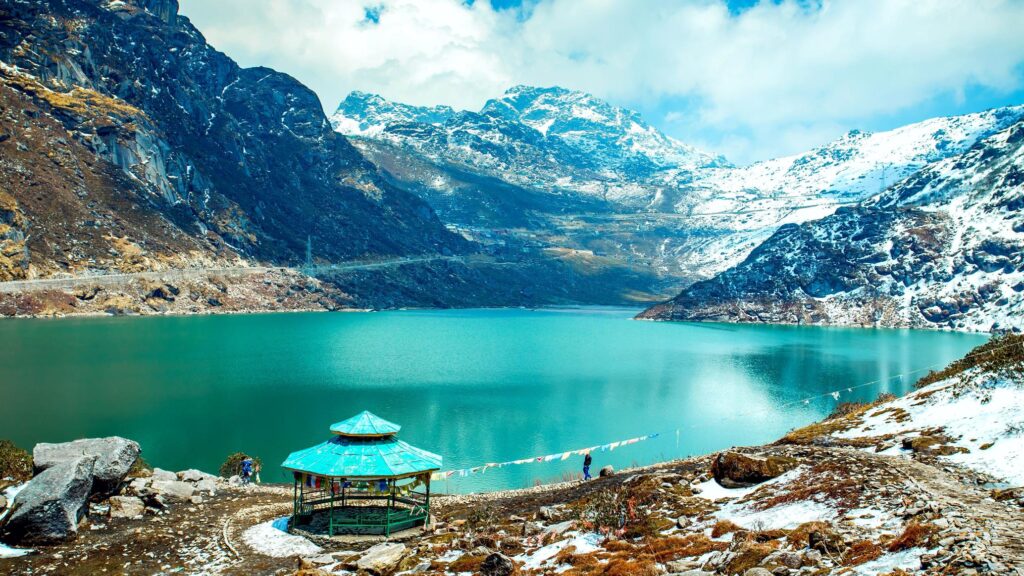

Ravangla, perched at an altitude of 7,000 feet in South Sikkim, is one of the most serene and picturesque destinations in the Himalayas. Top Tourist Places in Ravangla include sacred sites, scenic viewpoints, eco-tourism projects, and cultural hubs that make it a must-visit for anyone exploring Sikkim. Surrounded by snow-capped peaks, lush forests, and vibrant monasteries, this charming town offers travelers a perfect blend of spirituality, culture, and natural beauty.
This guide explores the best attractions in Ravangla, cultural experiences, seasonal tips, and travel advice to help you plan an unforgettable journey.
🌄 Why Ravangla is a Must-Visit
- Scenic Beauty: Panoramic views of Kanchenjunga, Pandim, and Kabru peaks.
- Spiritual Significance: Home to Buddha Park and ancient monasteries.
- Eco-Tourism: Tea gardens, hot springs, and sustainable tourism projects.
- Cultural Charm: Blend of Buddhist traditions and local festivals.
- Accessibility: Located between Gangtok and Pelling, making it easy to include in Sikkim itineraries.
🏞️ Top Tourist Places in Ravangla
1. Buddha Park (Tathagata Tsal)
- The most iconic attraction in Ravangla.
- Features a 130-foot statue of Lord Buddha surrounded by landscaped gardens.
- Attractions: Meditation center, museum, and panoramic views of the Himalayas.
- Activities: Meditation, photography, cultural immersion.
- Best Time: October to March.
2. Ralang Monastery
- One of the most important monasteries in Sikkim, built in 1995.
- Attractions: Traditional murals, prayer wheels, and annual festivals.
- Activities: Meditation, attending rituals, cultural exploration.
- Best Time: During Pang Lhabsol festival (August/September).
3. Ralang Hot Springs
- Natural sulfur-rich springs located near Ravangla.
- Attractions: Therapeutic waters, scenic surroundings.
- Activities: Bathing, relaxation, eco-tourism.
- Best Time: Winter months.
4. Maenam Hill
- A popular trekking destination offering panoramic views.
- Attractions: Dense forests, rare flora and fauna.
- Activities: Trekking, birdwatching, camping.
- Best Time: March to June.
5. Borong Village
- A quaint village near Ravangla known for its cultural charm.
- Attractions: Traditional houses, local festivals.
- Activities: Village walks, cultural immersion, birdwatching.
- Best Time: Year-round.
6. Temi Tea Garden
- The only tea estate in Sikkim, located near Ravangla.
- Attractions: Rolling tea plantations, factory tours.
- Activities: Tea tasting, photography, eco-tourism.
- Best Time: October to May.
7. Rayong Sunrise View Point
- Offers breathtaking sunrise views over the Himalayas.
- Attractions: Panoramic vistas of Kanchenjunga and surrounding peaks.
- Activities: Photography, sightseeing.
- Best Time: Early mornings.
8. Kheunpheling Carpet Centre
- A cultural hub showcasing traditional Sikkimese handicrafts.
- Attractions: Woolen carpets, handicrafts, and local art.
- Activities: Shopping, cultural immersion.
- Best Time: Year-round.
9. Doling Monastery
- A peaceful monastery near Ravangla.
- Attractions: Prayer flags, murals, and serene surroundings.
- Activities: Meditation, cultural exploration.
- Best Time: October to March.
10. Pang Lhabsol Festival Grounds
- Ravangla hosts vibrant celebrations of Pang Lhabsol, a festival honoring Mount Kanchenjunga.
- Attractions: Mask dances, rituals, and cultural performances.
- Activities: Festival participation, photography.
- Best Time: August/September.
🧭 Types of Tourism in Ravangla
- Spiritual Tourism: Buddha Park, Ralang Monastery, Doling Monastery.
- Eco-Tourism: Temi Tea Garden, Borong Village, Ralang Hot Springs.
- Adventure Tourism: Trekking at Maenam Hill, camping.
- Cultural Tourism: Carpet Centre, Pang Lhabsol festival.
- Family Tourism: Gardens, viewpoints, leisure activities.
🎭 Cultural Experiences
Ravangla is not just about landscapes—it is a cultural hub:
- Festivals: Pang Lhabsol, Losar, and Buddhist rituals.
- Cuisine: Momos, thukpa, fermented bamboo shoots, and Temi tea.
- Handicrafts: Woolen carpets, traditional Sikkimese art.
- Local Traditions: Blend of Buddhist and Lepcha customs.
🌿 Flora & Fauna Highlights
- Flora: Rhododendrons, orchids, tea plantations, alpine vegetation.
- Fauna: Himalayan birds, butterflies, and small mammals.
- Birds: Pheasants, partridges, migratory species.
🏙️ Accommodation Options
Ravangla offers varied stays:
- Luxury Resorts: Premium comfort with mountain views.
- Eco-Lodges: Sustainable stays near tea gardens.
- Homestays: Authentic village experiences.
- Budget Hotels: Affordable options for group travelers.
🧳 Best Time to Visit Ravangla
- March to June: Pleasant weather, ideal for sightseeing and trekking.
- July to September: Monsoon greenery, though landslides may occur.
- October to February: Clear skies, perfect for spiritual and cultural tourism.
🚗 Travel Tips
- Carry warm clothes, as temperatures drop sharply.
- Book accommodations and permits in advance.
- Respect local traditions and eco-tourism guidelines.
- Use local guides for trekking and cultural tours.
- Try local cuisine and buy authentic handicrafts.
🌟 Suggested Itineraries
3-Day Ravangla Tour
- Day 1: Buddha Park, Rock Garden.
- Day 2: Ralang Monastery, Hot Springs.
- Day 3: Temi Tea Garden, Rayong View Point.
5-Day Extended Tour
- Ravangla town → Buddha Park → Ralang → Maenam Hill → Borong Village → Tea Estate.
- Covers spirituality, culture, and eco-tourism.
7-Day Comprehensive Tour
- Ravangla → Buddha Park → Ralang Monastery → Doling Monastery → Maenam Hill → Temi Tea Garden → Borong Village → Carpet Centre → Pang Lhabsol Festival Grounds.
- A deeper journey through Ravangla’s attractions.
✨ Conclusion
Top Tourist Places in Ravangla are more than just scenic spots—they are journeys into spirituality, culture, and eco-tourism. From the grandeur of Buddha Park to the serenity of Ralang Monastery, from the cultural charm of Borong Village to the lush tea gardens of Temi, Ravangla offers travelers a unique blend of peace and adventure.
Whether you’re a spiritual seeker, a nature enthusiast, or a traveler curious about culture, Ravangla promises unforgettable memories.
So, plan your journey, immerse yourself in the Himalayan charm, and let the cultural heart of South Sikkim inspire your path.