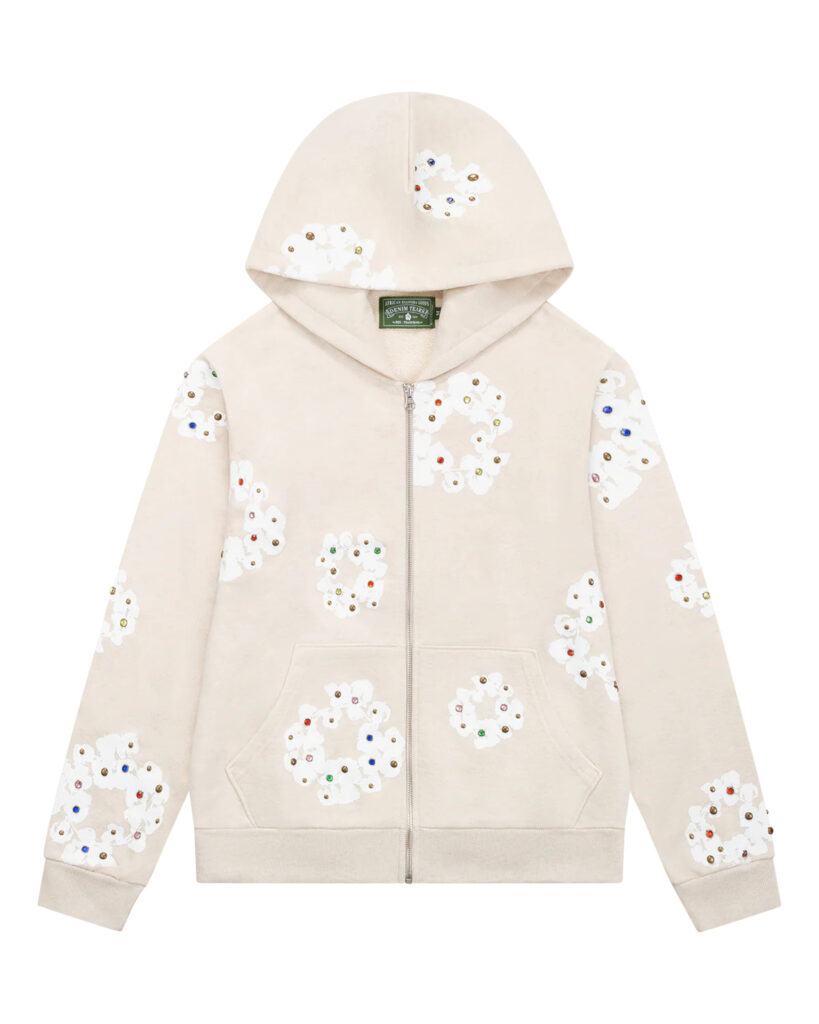

There’s a difference between wearing a hoodie and wearing it well. Anyone can pull one on. But knowing how to layer it — how to build texture, depth, and intention around it — that’s where streetwear culture lives.
Layering isn’t just a cold-weather hack. In the world of contemporary streetwear, it’s a full creative language. And a hoodie, when chosen right, becomes the most versatile sentence in that language.
This guide breaks down exactly how to layer a Denim Tears hoodie the way people who actually know streetwear do it — from the foundational pieces underneath to the outerwear stacked on top, and everything in between.
Why the Hoodie Is the Foundation of Great Streetwear Layering
Before you start stacking pieces, it helps to understand why the hoodie works so well as a layering anchor.
Hoodies sit in a rare middle zone in fashion. They’re substantial enough to read as a statement piece but relaxed enough to sit under coats, jackets, and vests without fighting for dominance. The hood itself adds architectural interest — it shifts silhouette and adds visual weight at the shoulder and neck in a way that crewnecks and tees simply can’t replicate.
Denim Tears Hoodies in particular carry cultural weight that goes beyond the garment itself. Designed by Tremaine Emory, the brand draws from African American history, memory, and identity. When you wear one, you’re already saying something. Layering around it should honor that intention — not obscure it.
Start With the Right Base Layer
The piece underneath your hoodie matters more than most people think.
A plain, fitted long-sleeve shirt is the most reliable base. It peeks out at the cuffs and hem, adding a subtle layered detail without competing with the hoodie’s graphic or silhouette. White, black, and slate grey are the strongest neutrals to reach for.
If you want more visual texture underneath, a thermal waffle-knit long-sleeve works beautifully. The texture contrast between a smooth cotton hoodie shell and a ribbed thermal underneath adds dimension that looks considered and intentional.
Things to keep in mind for your base layer:
- Choose a slim fit so it doesn’t bunch under the hoodie
- Keep the color in the same tonal family as the hoodie or go full contrast with black or white
- Let about half an inch to an inch of sleeve show at the cuff for the cleanest layered effect
- Avoid loud graphics on the base — the hoodie should lead
Layering Over the Hoodie: Outerwear That Works
This is where layering gets interesting — and where most people either nail it or overthink it.
The Coach Jacket
A lightweight nylon coach jacket worn open over a hoodie is one of the cleanest combinations in streetwear. The contrast in material — soft fleece against crisp nylon — creates the kind of tactile layering that reads sophisticated without trying too hard. Go for a coach jacket in black, olive, or a complementary earth tone to the hoodie’s palette.
The Oversized Denim Jacket
Wearing denim on denim requires intention, but when the proportions are right, it’s effortless. An oversized or slightly boxy denim jacket layered over a hoodie lets the hood spill over the collar, creating that draped, relaxed silhouette that streetwear culture has embraced for years. Washed black or indigo denim both work well here.
The Wool or Fleece Overcoat
For colder months or elevated occasions, an overcoat transforms the entire energy of the outfit. A camel or charcoal wool coat worn over a hoodie signals that you understand how to move between streetwear and a more refined aesthetic without losing either. The key is proportion — the hoodie should be a medium-weight one so the coat doesn’t look stuffed.
The Puffer Vest
Vest layering sits in its own category. A puffer vest over a hoodie keeps the arms visible and the silhouette athletic. It’s a very specific streetwear energy — referencing sportswear and workwear simultaneously. Black and military green vests are the most versatile choices.
Related Article: Denim Tears Hoodie Outfits for Men: From Street to Semi-Formal
How to Handle Proportions When Layering
Proportions are what separate a layered outfit that looks purposeful from one that looks accidental.
The general principle: vary the lengths. If your hoodie hits at the hip, your outer layer should either be shorter (like a cropped coach jacket) or significantly longer (like an overcoat or field jacket). Matching lengths makes the outfit look flat. Staggering them creates visual rhythm.
For bottoms, wide-leg or straight-leg silhouettes balance out the volume of a layered top half. Slim or tapered fits work too, but they shift the energy toward a more streamlined, athletic look. Neither is wrong — it’s about what mood you’re building.
Color and Graphic Coordination in Layered Looks
Denim Tears hoodies often carry graphic elements — cotton wreath imagery, text, and cultural iconography that sits at the center of Tremaine Emory’s design philosophy. When layering around a graphic hoodie, the surrounding pieces should stay quiet.
The layering formula that works consistently:
- Graphic hoodie + solid outerwear + solid bottoms = balanced and intentional
- Solid hoodie + textured outerwear + pattern or tone-on-tone bottoms = more room to experiment
- Keep the hoodie as the visual anchor and let everything else support it
Earth tones, washed blacks, military greens, and off-whites are the safest supporting colors. They don’t fight the hoodie — they frame it.
Accessories That Complete a Layered Hoodie Look
Layering isn’t just about clothing. Accessories extend the visual story.
A beanie worn with the hood down gives a relaxed, textured contrast at the head. Wearing the hood up while adding a baseball cap on top is a distinctly streetwear move that skews more experimental but has cultural precedent in the scene.
Bags matter more in layered looks because they interact with multiple garment layers simultaneously. A crossbody bag or a structured tote in leather or canvas adds a final layer of material contrast. Avoid overly branded or loud bags — they compete with a statement hoodie.
Layering chain necklaces over the hoodie — especially visible at the neckline — adds a jewelry element that bridges streetwear and contemporary fashion culture.
Common Layering Mistakes to Avoid
Even experienced streetwear dressers fall into these traps:
- Layering too many statement pieces at once — let the hoodie be the hero
- Ignoring fit in outer layers — a too-tight jacket over a hoodie looks forced
- Matching everything to the same color family with no contrast — tonal dressing requires subtle variation to work
- Forgetting proportion — similar lengths kill visual interest
- Overdoing accessories — two or three strong pieces outperform a pile of competing ones
Seasonal Layering: Adapting the Formula Year-Round
Layering is a four-season strategy when you approach it correctly.
In spring and fall, a coach jacket or denim jacket over the hoodie is the sweet spot — enough warmth without overbuilding the silhouette. In winter, move to an overcoat or a heavier field jacket. In summer, try a lightweight overshirt left open over the hoodie in cooler evenings, or use the hoodie itself as the top layer over a simple tee.
The flexibility of a quality hoodie is exactly why it earns its place in a serious wardrobe — not just as a casual piece, but as a genuine layering tool across every season.
Conclusion
Layering is a skill, and like any skill it gets more intuitive with practice. The foundation of every great layered look, though, stays the same: start with a piece worth building around.
When that foundation is a Denim Tears hoodie — a garment that carries design intention, cultural depth, and real visual weight — the layering process becomes less about adding things and more about framing what’s already there.
Wear it with intention. Build around it with care. The result is an outfit that doesn’t just look good — it says something.