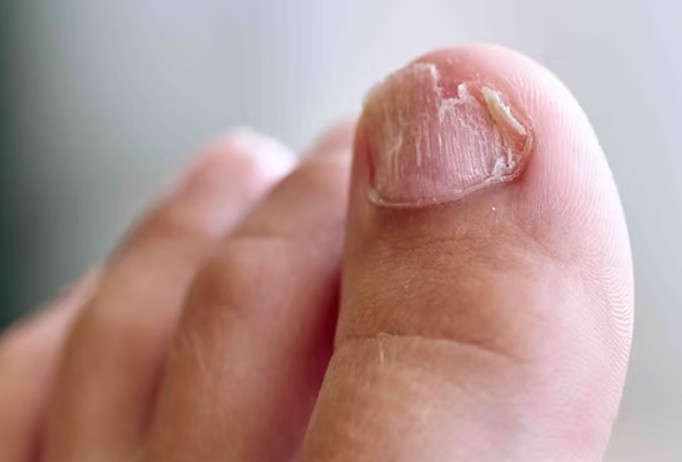

An ingrown toenail has a nasty sense of humour. It starts small, then slowly hijacks your day. Walking feels awkward. Shoes suddenly feel personal. Even sitting still doesn’t fully help. You keep checking your toe like it might apologise and stop hurting.
This is usually when the internal debate begins.
- Do you try home remedies and hope for the best?
Or
- Do you book a visit with a specialist for ingrown toenail treatment and end the drama early?
In Singapore, this decision matters more than most people realise. Heat, sweat, and daily footwear make small toe problems escalate fast. Choosing wisely early often saves you days of pain and regret.
What Exactly Is an Ingrown Toenail?
An ingrown toenail happens when the nail edge grows into the skin instead of over it. Your body does not like this idea at all. Redness shows up first. Swelling follows. Pain then settles in like an unwanted houseguest. The big toe usually takes the hit. Poor nail cutting habits start many cases. Tight shoes quietly push nails inward over time.
Singapore’s climate does the rest. Sweaty feet soften the surrounding skin for hours. Softer skin offers less resistance. Once the nail breaks through, infection becomes much easier. That’s why a small problem here rarely stays small.
Why Ingrown Toenails Worsen Faster in Singapore
Warm weather keeps feet moist most of the day. Closed shoes trap heat and sweat without mercy. Skin stays softer than it should. Add long walking hours and standing jobs, and your toes take a beating. Many people ignore early pain, hoping it settles on its own. It rarely does.
Have you noticed swelling looking worse the next morning? That’s common here. Local conditions speed things up. What feels tolerable one day often feels angry the next. Singapore does not believe in slow-burning toe problems.
When Home Remedies Can Actually Help
Home remedies work only when the problem stays mild. Pain feels annoying, not alarming. Redness stays limited. No discharge appears. At this stage, simple care may calm irritation and buy you time. Most people start here, which makes sense. Home care feels easy, familiar, and less intimidating.
These methods focus on comfort rather than correction. They reduce pressure and calm the skin briefly. They do not change how the nail grows. That distinction matters later.
Common home approaches include:
- Warm water soaks to soften skin and ease tenderness
- Straight nail trimming to reduce inward pressure
- Open footwear to give your toe some breathing room
These steps can help for a while. Relief often disappears once daily pressure returns.
Why Home Remedies Often Stop Working
Home remedies treat the surface problem, not the real cause. The nail edge remains trapped under the skin, quietly causing trouble. Pressure builds again once the skin toughens back up. If the skin breaks, bacteria waste no time moving in. Humid weather makes infections spread faster.
Does the same toe keep flaring up every few weeks? That’s not bad luck. That’s a sign home care has done all it can. Continuing to soak and hope only delays proper healing. For people with diabetes, the risks rise even faster. Small wounds heal slower, and complications appear sooner.
When Seeing a Specialist Makes More Sense
A specialist for ingrown toenail care focuses on the actual troublemaker. They deal with the nail edge causing pressure instead of calming symptoms repeatedly. Relief usually comes quicker and lasts longer. If swelling spreads or pus appears, home care should stop immediately. At that stage, waiting only stretches out recovery.
A foot specialist in Singapore understands how local conditions affect healing. They see how fast things worsen here. Climate, footwear habits, and walking patterns all play a role. Experience helps them act before problems spiral.
You should seriously consider specialist care if you notice:
- Pain lasting more than several days
- Swelling, warmth, or discharge around the nail
- The same toenail causing trouble again and again
These signs mean home remedies have reached their limit.
What a Specialist Actually Does
Many people imagine painful procedures and long downtime. Reality is usually calmer. Treatment stays controlled and focused. Local anaesthesia keeps discomfort low. The specialist checks circulation and infection first, then targets only the problem area. The rest of the nail stays intact.
Partial nail removal relieves pressure almost immediately. Most people walk comfortably within days. For recurring cases, permanent correction changes how the nail grows. That stops the cycle entirely. It’s less dramatic than people expect and far more effective than endless soaking.
A Quick Reality Check Before You Decide
Before you soak your foot again or book an appointment, pause for a moment. Ask yourself a few honest questions. These answers usually tell you which path makes sense.
If Home Remedies Are Still Reasonable
Home care still makes sense if all of this is true:
- Pain feels annoying, not sharp or throbbing
- Redness stays small and does not spread
- There is no pus, smell, or warmth
- You can walk normally without limping
- This is the first time it has happened
In this stage, soaking, careful trimming, and looser shoes can calm things down. Just don’t push it. The moment pain starts dictating your steps, home care has done its job.
If You’re Probably Wasting Time at Home
You are likely delaying the inevitable if any of these sound familiar:
- Pain wakes you up or distracts you during work
- The same toe keeps acting up every few months
- Swelling looks worse in the morning
- Shoes feel painful even when they are loose
- You feel relief for a day, then pain returns
At this point, hoping it “settles” usually backfires. Ingrown nails are stubborn. They do not negotiate.
A Practical Way to Think About It
Here’s a simple rule many people follow:
- Mild pain: try home care briefly
- Persistent pain: see a specialist
- Infection or repeat issues: don’t wait
This isn’t about overreacting. It’s about avoiding weeks of unnecessary discomfort. Your toe does not need heroics. It needs the right fix at the right time.
Conclusionn: Choosing the Right Option for Your Feet
Home remedies suit mild, early cases only. They offer temporary comfort, not long-term fixes. Once pain sticks around, professional care becomes the smarter move. Seeing a specialist for ingrown toenail treatment saves you from repeat flare-ups and guesswork. A foot specialist in Singapore treats causes, not symptoms.
Your feet carry you everywhere. Ignoring pain rarely ends well. Early action keeps daily movement comfortable and future weekends pain-free.
FAQs
1. Can an ingrown toenail heal on its own?
Very mild cases might improve briefly, but most worsen over time.
2. When should I see a specialist for ingrown toenail care?
If pain lasts several days or infection signs appear.
3. Is treatment by a foot specialist painful?
Local anaesthesia keeps discomfort minimal during procedures.