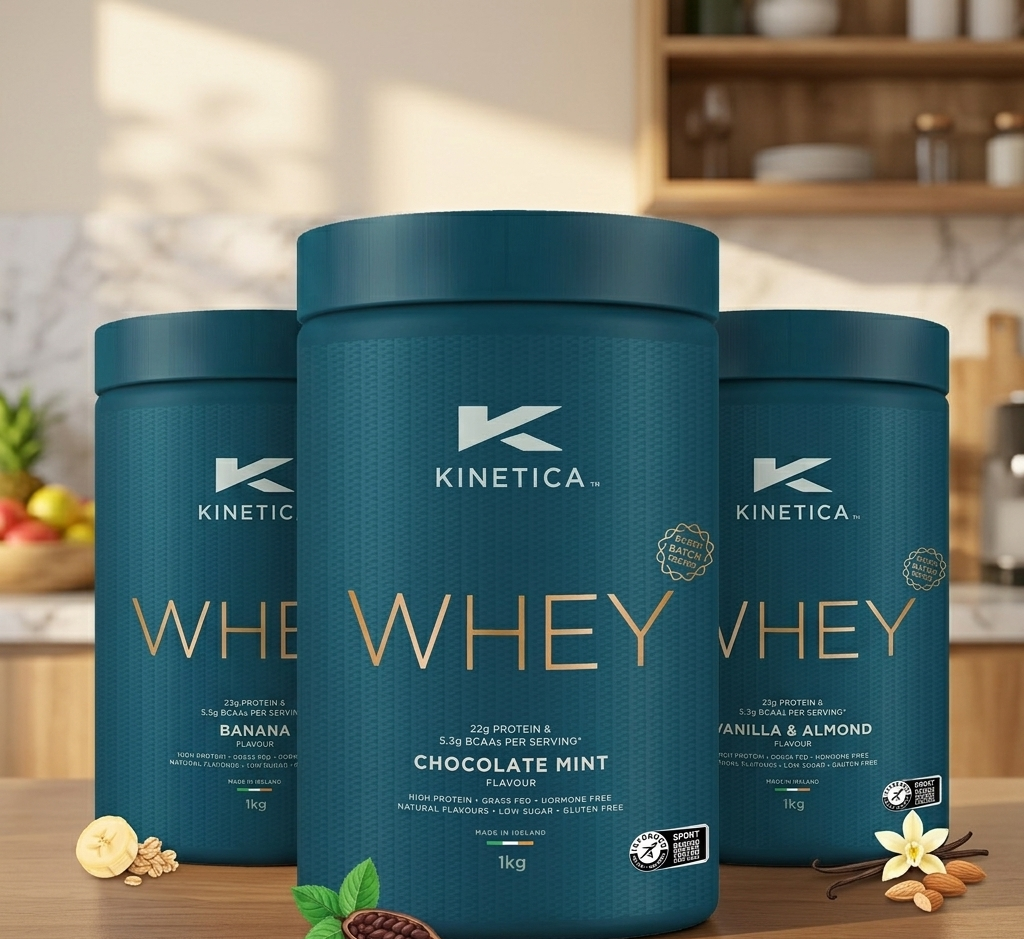

In the world of fitness and nutrition, whey protein is one of the most popular and widely used supplements. Whether you are aiming to build muscle, improve recovery or simply meet your daily protein requirements, whey protein offers a convenient and effective solution.
From beginners to professional athletes, people across all fitness levels rely on whey protein to support their training and overall health. Its high-quality amino acid profile and fast absorption make it a valuable addition to any nutrition plan.
What Is Whey Protein?
Whey protein is a high-quality protein derived from milk during the cheese-making process. When milk is separated, the liquid portion—known as whey—is processed and dried into a powder form. This powder is then used as a dietary supplement.
What makes whey protein stand out is that it is a complete protein, meaning it contains all nine essential amino acids that the body cannot produce on its own. It is particularly rich in branched-chain amino acids (BCAAs), especially leucine, which plays a key role in muscle growth and repair.
Because of its fast digestion and absorption, whey protein delivers nutrients to the muscles quickly, making it ideal for post-workout recovery.
Types of Whey Protein
There are different types of whey protein available, each with its own characteristics.
Whey Protein Concentrate
This is the most common form of whey protein. It contains a moderate amount of protein along with small amounts of carbohydrates and fats. It is known for its balanced nutritional profile and good taste.
Whey Protein Isolate
Whey isolate undergoes additional processing to remove most of the fat and lactose. As a result, it contains a higher percentage of protein and is often preferred by individuals who want a leaner option or have mild lactose sensitivity.
Whey Protein Hydrolysate
This form is pre-digested, allowing for even faster absorption. It is often used in advanced sports nutrition products and is ideal for quick recovery after intense workouts.
Benefits of Whey Protein
Supports Muscle Growth
Whey protein is rich in essential amino acids that help stimulate muscle protein synthesis. When combined with resistance training, it supports the development of lean muscle mass.
Enhances Recovery
After exercise, muscles need nutrients to repair and rebuild. Whey protein helps reduce muscle soreness and speeds up recovery, allowing you to train more consistently.
Convenient Source of Protein
Meeting daily protein requirements through food alone can sometimes be difficult. Whey protein provides a quick and easy way to increase protein intake without extensive meal preparation.
Aids Weight Management
Protein helps promote a feeling of fullness, which can support appetite control. Including whey protein in your diet may help manage calorie intake while preserving muscle mass.
Supports Overall Performance
By improving recovery and supporting muscle strength, whey protein contributes to better overall athletic performance.
How to Use Whey Protein
Whey protein is versatile and can be consumed at different times of the day depending on your goals.
Post-Workout
This is the most common time to take whey protein. After a workout, your muscles are more receptive to nutrients, making it the ideal time for protein intake.
Morning
Starting your day with a whey protein shake can help provide your body with essential nutrients after an overnight fast.
Between Meals
Consuming whey protein between meals can help maintain protein levels and reduce hunger.
Before or After Exercise
While post-workout consumption is popular, whey protein can also be taken before workouts to support muscle protection during training.
To prepare, simply mix one scoop of whey protein powder with water, milk or blend it into a smoothie.
Who Should Use Whey Protein?
Whey protein is suitable for a wide range of individuals, including:
- Gym-goers and bodybuilders
- Athletes involved in various sports
- Individuals looking to build or maintain muscle
- People trying to lose weight while preserving lean mass
- Busy individuals who need convenient nutrition
It can be used by both men and women and is effective for beginners as well as experienced athletes.
Choosing the Right Whey Protein
When selecting a whey protein supplement, it is important to consider quality, ingredients and your specific goals.
Look for products with high protein content and minimal added sugars or artificial ingredients. Reputable brands that follow quality standards are usually a safer choice.
Your choice between concentrate, isolate or hydrolysate should depend on your dietary needs, budget and fitness objectives.
Safety and Considerations
Whey protein is generally safe for healthy individuals when consumed in recommended amounts. However, it is important to:
- Follow serving guidelines
- Maintain a balanced diet
- Stay hydrated
- Be aware of lactose intolerance if choosing concentrate
If you have any medical conditions, consulting a healthcare professional before starting supplementation is advisable.
Final Thoughts
Whey protein is one of the most effective and convenient supplements for supporting muscle growth, recovery and overall performance. Its complete amino acid profile and fast absorption make it an essential part of many fitness routines.
When combined with proper training, balanced nutrition and consistency, whey protein can help you achieve your fitness goals more efficiently. Whether you are aiming to build muscle, improve endurance or maintain a healthy lifestyle, whey protein is a reliable and versatile addition to your daily routine.